

The first Enhanced Games will change critics’ minds – and how established sports view doping – says the controversial start-up’s new chief executive.
The Enhanced Games allows competitors to use performance-enhancing substances banned from mainstream sport as they compete for big-money prizes.
It has been widely criticised by anti-doping officials and governing bodies, who say it endangers athletes and undermines the integrity of sport.
The inaugural event, featuring swimming, sprinting and weightlifting competitions, will be held in Las Vegas in May 2026.
«A few institutions think we are bad – OK, I get it,» chief executive Maximilian Martin told BBC Sport.
«But, after the first Games, the public and existing institutions will be thinking very, very differently about us.
«They will see that no-one exploded, no-one had a heart attack while competing. It is just not happening.
«Long term I fundamentally think that other sports leagues will follow our approach, changing from a punitive testing system to one that is focused on the athletes’ health and safety to compete.»
Enhanced Games say that, with oversight from doctors and regular screening of athletes for up to five years after they compete in their events, the risks associated with banned substances can be minimised.
That claim has been disputed by experts elsewhere.
A University of Birmingham paper earlier this year argued relatively little is known about how the most common performance-enhancers affect individuals, with indications of increased potential for heart attacks, cardiovascular damage, reproductive dysfunction and mental health issues for years to come.
-
‘Many people will never return to normal’
-
21 May
-
-
Olympic medallist becomes first Briton to join Enhanced Games
-
10 September
-
-
‘Enhanced Games prize money worth 13 world titles’
-
11 September
-
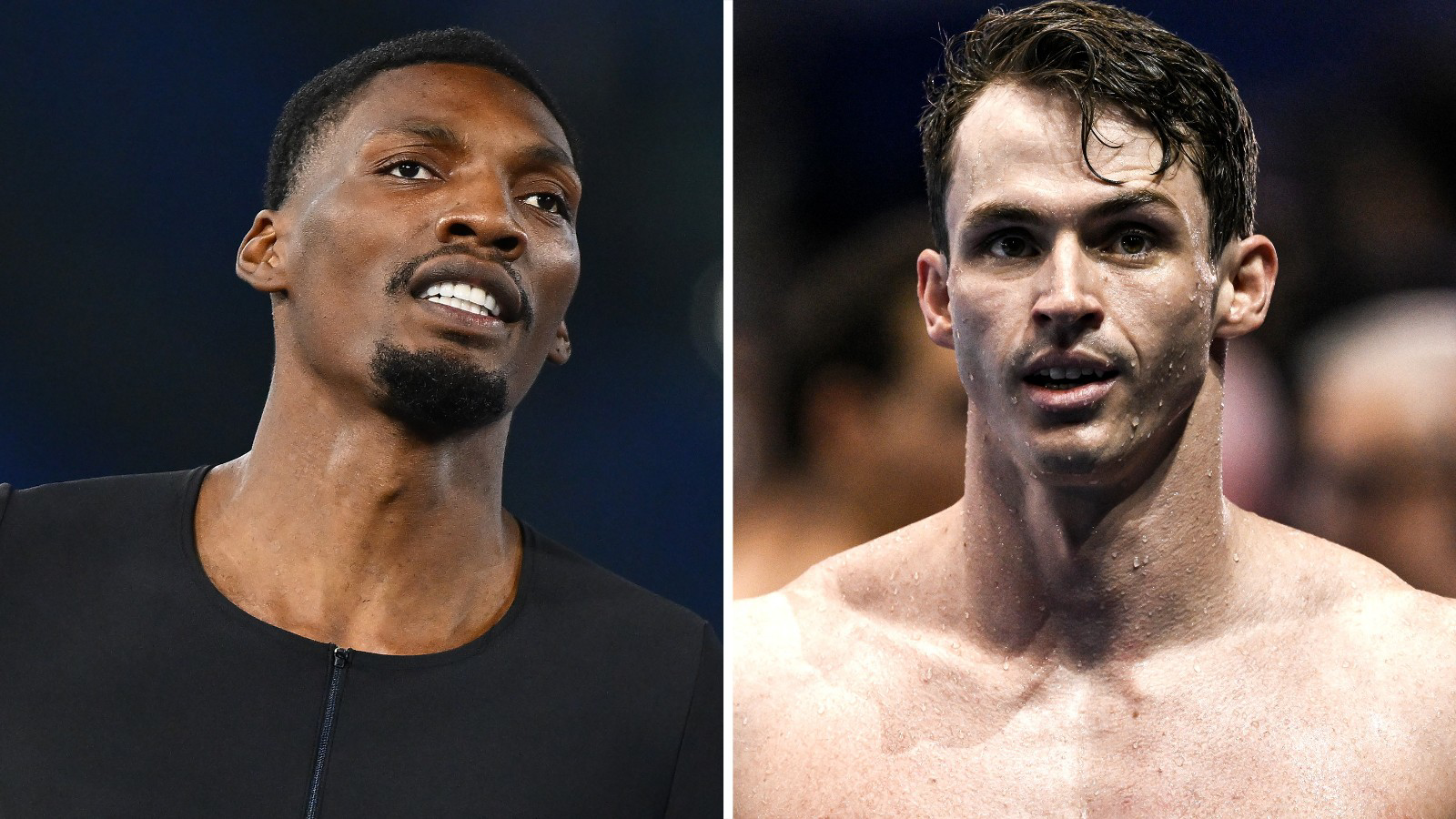
British swimmer Ben Proud, an Olympic silver medallist in Paris last year, and three-time world champion sprinter Fred Kerley are among 21 athletes so far announced as having signed up for the Enhanced Games.
Organisers say they expect to take that total to 35 by the end of January, with a total of about 50 competitors taking part in May.
Enhanced Games is establishing a base at a five-star hotel in Abu Dhabi, where athletes can train while following regimes of banned substances.
Last July, World Aquatics announced a blanket ban on any swimmer, coach or official involved with Enhanced Games taking part in its own events, regardless of if they doped or not.
Enhanced Games’ attempt to challenge that ban in an $800m lawsuit was thrown out by a New York judge last month.
Aron D’Souza, the Enhanced Games’ founder and previous public face, stepped down as chief executive three days later.
But Martin, who worked as an investment banker in London for two years before setting up a bitcoin mining business, insists the Games will not only go ahead, but grow in the months to come.
«In terms of our ability to deliver the Games from a sporting perspective at the highest standards? I have full confidence in that,» said the 29-year-old.

Martin hopes to stage a winter edition of the Enhanced Games, making it a biannual event, as well as one-off time-trial attempts to better existing world records.
He also aims to expand into triathlon, providing a platform for a doped athlete to complete an Ironman-distance event in an unprecedented time.
Enhanced’s business model hinges on their events acting as showpiece sales pitches to promote supervised medication and supplement programmes to the American public.
They are yet to go on sale, with Martin expecting them to be available by February.
The publicity generated by the Games could also be shared with other brands in partnership and sponsorship deals.
Traditional money-makers for sports events, such as media rights and tickets, are not yet a significant part of the balancesheet.
The Games will be broadcast free on YouTube initially, with the 2,500 tickets for the temporary Las Vegas arena, featuring a four-lane pool and a 100m sprint track, being given away, rather than sold.
«We don’t need everyone in the world to love us, everyone in the world to be a fan or convince everyone of what we are doing,» said Martin. «We’re okay with people disagreeing with it.
«I also love the Olympic system. I went to Paris last year, it was one of the best sporting events I’ve ever been to.
«The Olympics should always stay the way that it is. More than 10,000 athletes in every sport that you can think of, the world coming together to celebrate, forget the wars and share our love for sport – it’s amazing.
«We’re just something very, very different. We are both pursuing our own things in our own rights.»