
Ukraine’s Vladyslav Heraskevych has been banned from the Milan/Cortina Olympics over a dispute concerning a helmet he wanted to wear at the skeleton competitioin to commemorate athletes killed in the war with Russia.
A last-ditch effort by International Olympic Committee (IOC) president Kirsty Coventry around an hour before the start of the event on Thursday in a meeting with Heraskevych at the sliding centre in Cortina d’Ampezzo failed to make him change his mind.
Advertisement
The IOC does not allow any kind of political statements at competition sites. It offered a compromise solution allowing the slider to wear a black armband instead but Heraskevych did not want to back down and wanted to wear the helmet in competition.
«Having been given one final opportunity, skeleton pilot Vladylsav Heraskevych from Ukraine will not be able to start his race at the Milano Cortina 2026 Olympic Winter Games this morning,» the IOC said in a statement.
«The decision followed his refusal to comply with the IOC’s Guidelines on Athlete Expression. It was taken by the jury of the International Bobsleigh and Skeleton Federation (IBSF) based on the fact that the helmet he intended to wear was not compliant with the rules.»
The IOC said that Heraskevych’s Games accreditation has been withdrawn and IBSF president Ivo Ferriani told dpa: «He is not starting, those are the rules.»
Advertisement
The IOC continued: «Despite multiple exchanges and in-person meetings between the IOC and Mr Heraskevych, the last one this morning with IOC President Kirsty Coventry, he did not consider any form of compromise.
«The IOC was very keen for Mr Heraskevych to compete. This is why the IOC sat down with him to look for the most respectful way to address his desire to remember his fellow athletes who have lost their lives following Russia’s invasion of Ukraine. The essence of this case is not about the message, it is about where he wanted to express it.
«Mr Heraskevych was able to display his helmet in all training runs. The IOC also offered him the option of displaying it immediately after the competition when going through the mixed zone.»
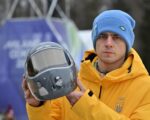
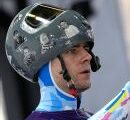
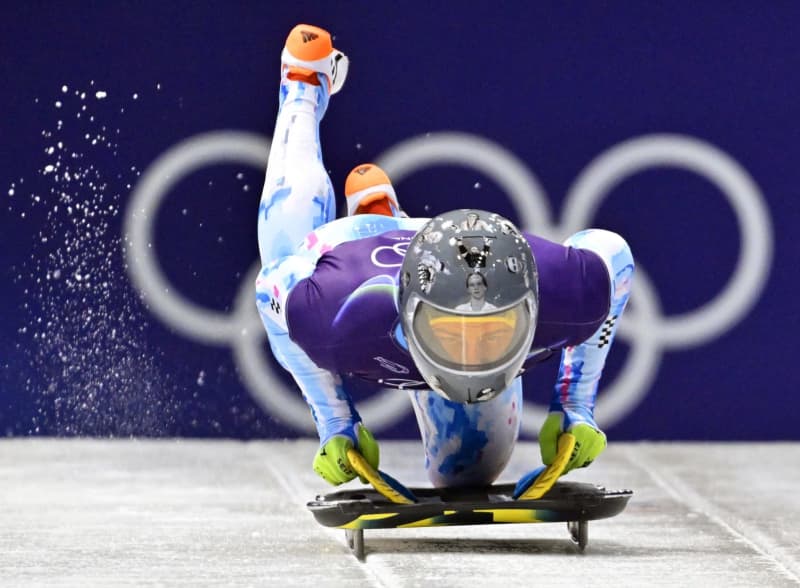
Heraskevych’s helmet features images of around 20 athletes, including Youth Olympics medallists, who were killed in Russian attacks. The design was intended as a tribute to sports colleagues who have died during the war.
Advertisement
He applied to the IOC to wear it which was turned down earlier in the week. Heraskevych did not bow and the IOC said he reiterated on Thursday morning that he planned to wear the helmet.
«This morning, upon his arrival in the competition venue, Mr Heraskevych met with IOC President Kirsty Coventry, who explained to him, one final time, the IOC position. As in the personal meetings before, he refused to change his position,» the IOC said.
The IOC has referred to its regulations against political messages at the Games, which were set up together with the athletes’ community.
The Olympic body has said that all athletes must be able to compete in a safe environment and not be influenced by various conflicts in the world.
Ukrainian President Volodymyr Zelensky and other political leaders in Europe have backed Heraskevych, who was fourth at last year’s world championships.