

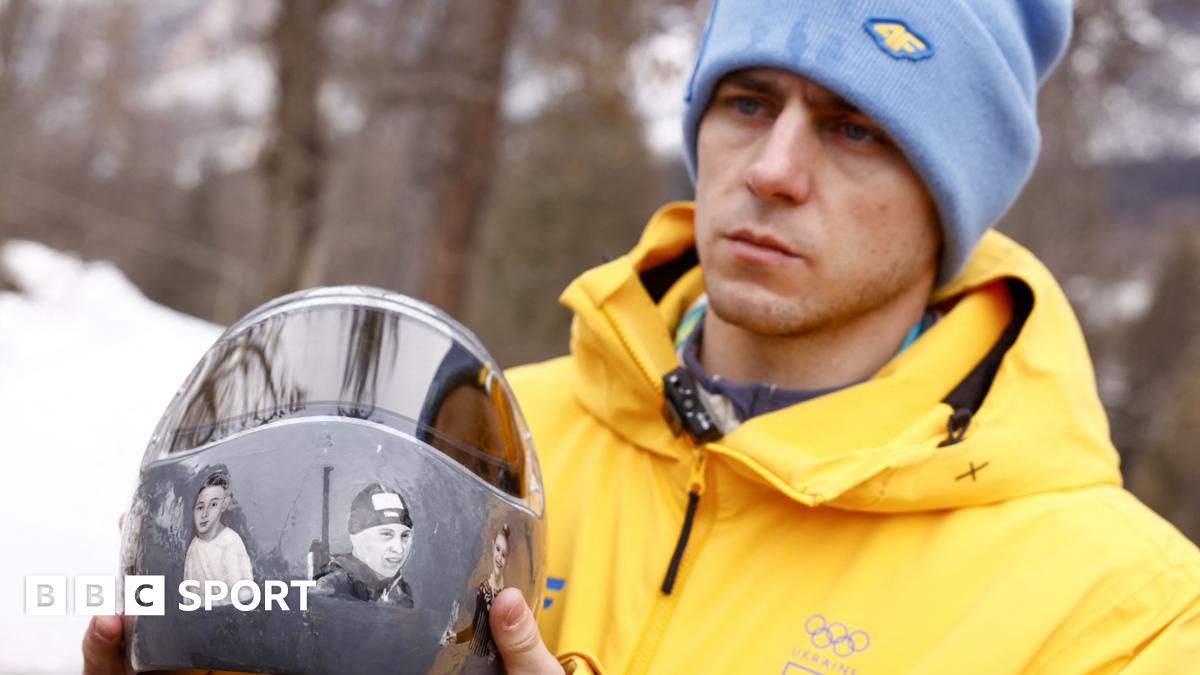
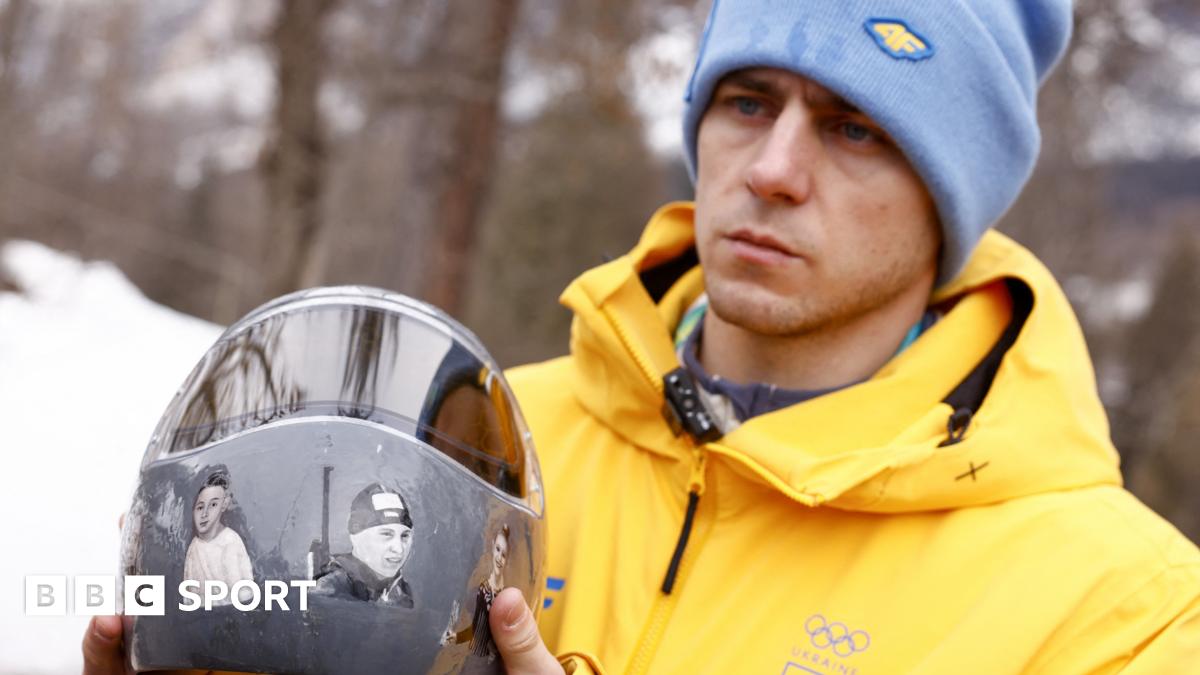
Ukrainian skeleton racer Vladyslav Heraskevych will not compete at the Winter Olympics after the Court of Arbitration for Sport (Cas) dismissed his appeal to wear a helmet depicting images of athletes killed during Russia’s invasion of his home country.
Heraskevych asked Cas to reinstate his place at the Olympics after he was banned by the International Olympic Committee (IOC) before the first heat of the men’s skeleton on Thursday.
Having worn the helmet, which the IOC say breaks rules in the Olympic charter, during training sessions this week, IOC president Kirsty Coventry visited him at Cortina’s sliding track in a final attempt to convince him not to wear it in competition.
But the 26-year-old refused to back down, believing the helmet to be within the rules and an emergency ad-hoc Cas meeting took place on Friday.
Cas said while they are «fully sympathetic» to Heraskevych’s case and his right to «freedom of expression», it is not permitted «on the field of play».
The IOC said Heraskevych could show his helmet in mixed zones, news conferences and on social media, but that «the field of play is sacrocanct».
Initially, the IOC had withdrawn his accreditation but eventually returned it and Cas agreed «unfair» to rescind it «under these circumstances».
Heraskevych’s appeal to Cas asked for his ban to be overturned, to be able to wear the helmet and to complete the two skeleton runs he missed out on on Thursday under the supervision of Cas.
He said his disqualification was «disproportionate» and claimed other athletes had been able to express their grief during competition at the Games.
For example, figure skater Maxim Naumov held up a photograph of his parents, who were killed last year in a plane crash in Washington DC, as he waited for his score to come in earlier this week.
But the IOC say Heraskevych has contravened the ‘athlete expression’ guidelines, which were drawn up in 2023 and are part of Olympic law, which state «focus at the Olympic Games must remain on athletes’ performances».
The las states: «It is a fundamental principle that sport at the Olympic Games is neutral and must be separate from political, religious and any other type of interference.»
On Thursday, IOC spokesperson Mark Adams said that if the committee allowed athletes to wear kit commemorating those killed in war, it would open the Games up to exploitation.
But Heraskevych has accused the Milan-Cortina Games of acting as «Russian propaganda» while Ukraine president Volodymyr Zelensky, said the IOC are «playing into the hands of the Russian aggressor».
Heraskevych, who was his nation’s flag bearer in the opening ceremony, has received support from his compatriots at the Games with Alpine skier Dmytro Shepiuk displayed a note reading «Ukrainian heroes with us» after competing while the Ukrainian mixed relay luge team took the knee and held their helmets aloft in a display of solidarity.
-
Day-by-day guide to the Winter Olympics
-
20 hours ago
-
-
Full schedule including times of medal events
-
Winter Olympics 2026 medal table
Winter Olympics 2026
6-22 February
Milan-Cortina
Watch two live streams and highlights on BBC iPlayer (UK only), updates on BBC Radio 5 Live and live text commentary and video highlights on the BBC Sport website and app.
Related topics
- Winter Sports
- Winter Olympics