
LIVIGNO, Italy — Hunter Hess, the American freestyle skier who unexpectedly found himself in the middle of a social media and political firestorm at the beginning of the Olympics, said he has emerged from “probably the two hardest weeks of my life” after being called a “loser” by President Donald Trump.
Hess, who essentially went underground after the controversy exploded, spoke after halfpipe qualifying on Friday. He qualified in fifth place and will be one of four Americans in the 12-person final.
Advertisement
“I worked so hard to be here. I sacrificed my entire life to make this moment happen,” Hess said. “I’m not going to let a controversy like that get in my way. I love the United States of America. I cannot say that enough. In my original statement, I felt like I said that, but apparently people didn’t take it that way. I’m so happy to be here, so happy to represent Team USA and ride as much as I can.”

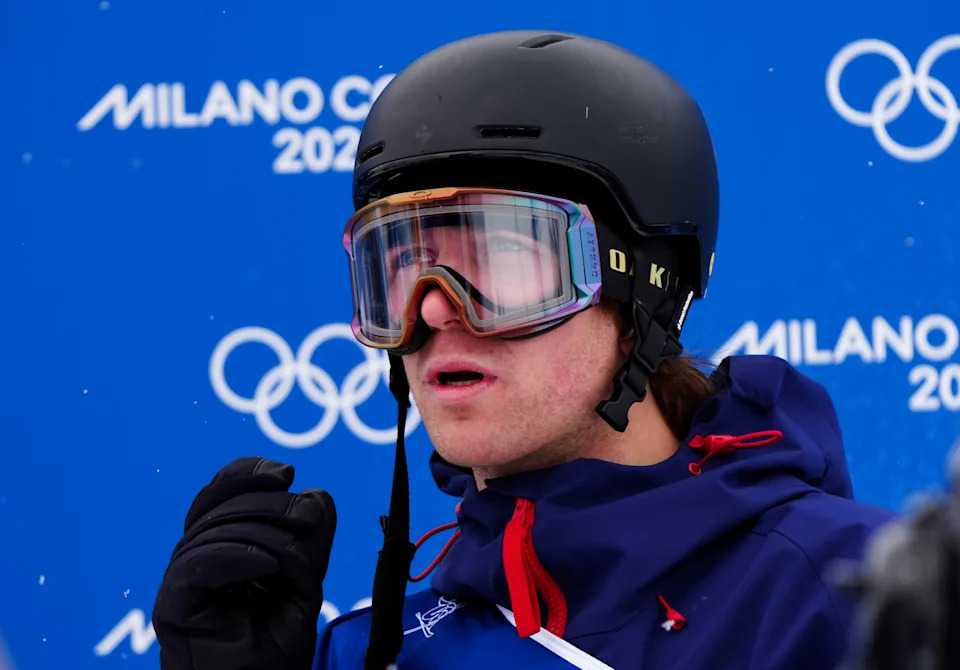
Hunter Hess qualified for the 12-person final in men’s freeski halfpipe. (Photo by David Davies/PA Images via Getty Images)
(David Davies – PA Images via Getty Images)
Hess was one of several American athletes who were asked prior to the Opening Ceremony how they felt representing the U.S. given current domestic political climate and the ICE raids in Minneapolis and violent clashes with protestors dominating news coverage at that time.
Hess acknowledged “mixed emotions,” saying there was “obviously a lot going on that I’m not the biggest fan of” and talked about representing his values and the things he believes in when he wears the Team USA uniform.
Advertisement
“Just because I wear the flag, it doesn’t mean I represent everything that is going on in the U.S,” he said.
Though Hess wasn’t the only American athlete to make comments in that vein, his framing inflamed certain sectors of social media and cable news commentators. Hess acknowledged the backlash in an Instagram post but had not spoken to reporters until Friday about what it’s like to have the president come after you as you prepare to compete in the Olympics.
After becoming far more famous than he expected, Hess and some members of the halfpipe team left to train in Switzerland.
“It was pretty distracting,” he said. “I had a week that was pretty challenging. Luckily my family was there to support me and help me get through it. There was a lot of noise and I’ve never been subject to that type of criticism. But with my family’s help, I was able to get through it. And skiing has saved my life, time and time again, and it seems to have done so again.”
Asked if he would have made the same comments with the benefit of hindsight, Hess said: “I stand with what I said. I love the United States of America. I cannot reiterate that enough.”