


New Delhi: Inflicting havoc and hellfire on the Zimbabwe juggernaut will be Team India’s sole objective in their Super 8 match. With the defending champions battling stern odds in their quest for a semi-final berth, there is absolutely no room for empathy. Interestingly, Zimbabwe’s magical run in the T20 World Cup 2026 where they finished the group stage unbeaten with wins against Australia and Sri Lanka, has an interesting connect to India and more specifically Uttar Pradesh.
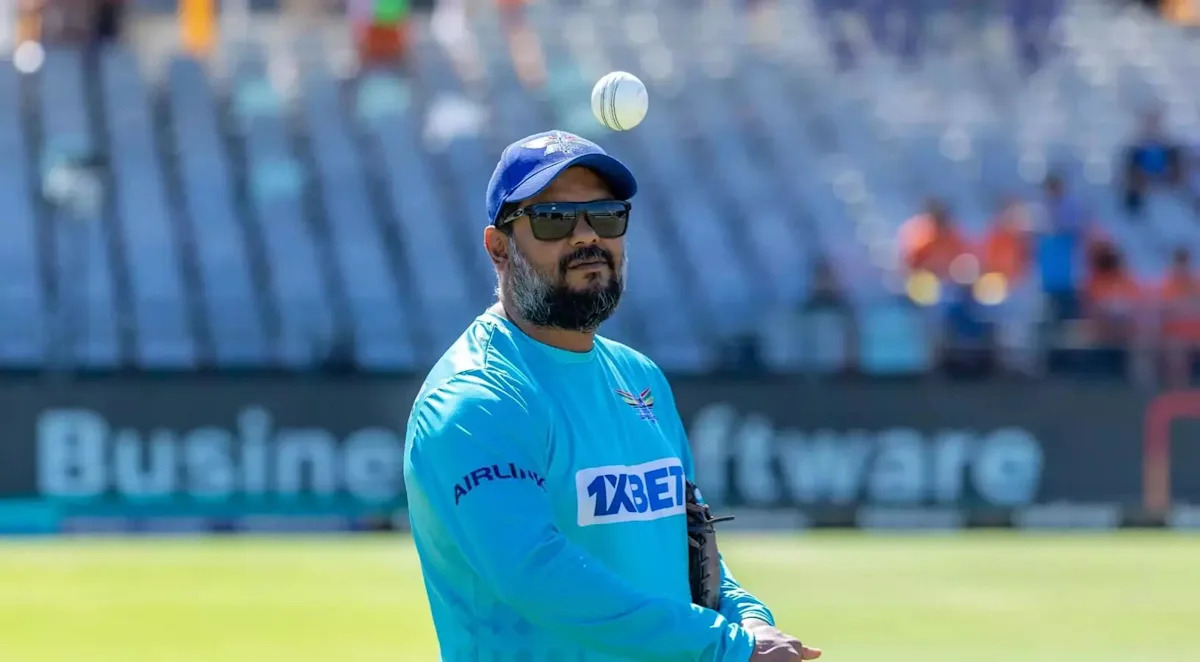
Indian-origin South African coach Rivash Gobind played a key role in helping the ‘Chevrons’ navigate through a period of great turmoil, developing a strong culture. Gobind, who served as Zimbabwe’s strategic performance coach, worked in tandem with head coach Justin Sammons to foster a team-first philosophy without fear of making tough calls. «My ancestors arrived from India around 1906, working as labourers in Durban. My family traces its roots back to Uttar Pradesh,» said the South African coach during an exclusive interaction with TimesofIndia.com.
‘Zimbabwe were way behind the rest of the world’
Gobind’s association with the game began as a professional cricketer, leaving a lasting impact for the Dolphins. The decision to hang up his boots was soon followed by a foray into coaching, where he developed a close connect with Sammons. The duo were a part of the South African national team under Mark Boucher, extending the association when Zimbabwe came calling. However, an initial review of this new role proved less than flattering.
«One of the first things we did was reflect on what Zimbabwe had achieved in their so-called glory years. However, they weren’t really successful in comparison to teams like India and Australia,» said the 43-year-old coach. «The perception was of a group way behind the rest of the world. Non-qualification for major tournaments fed into that narrative. However, we saw a team with potential which would require a lot of hard work,» added Gobind.
‘Loss against Uganda, taking tough calls’
Circumstances went from bad to worse when Zimbabwe lost to Uganda in the T20 World Cup 2024 African Qualifier, failing to qualify for the tournament. The team had to make their way up again from the bottom, competing in the Division 2 qualifiers.
«The main thing was emphasis on characters who could take Zimbabwe cricket forward and buy into our vision. There was also a specific focus on bringing in young players who could develop into world-class performers like Sikandar Raza,» shared the South African coach.
Potential among the younger players was undeniable, reflecting in the pedigree of talents like Brian Bennett. However, nurturing and guiding these players required emphasis on a strong off-field culture, where fitness and a strong mentality shone through. New training techniques and workload management measures were introduced, empowering the players to embrace the process and take rapid strides. Those who bought into the new approach were accepted while others had to make way.
«The shift to a professional approach on and off the field has been one of the main pillars of Zimbabwe’s success. Implementing the process wasn’t easy, though. Some senior players enjoy public backing. At the start, there were a lot of questions about why X and Y aren’t playing. It was tough to hold your ground and say, ‘This is going to work in the long run,» stated Gobind.
«We were very lucky to be backed by current Zimbabwe fielding coach Stuart Matsikenyeri, who helped us navigate the system and deal with some of the seniors. Sammons kept working hard behind the scenes, backing players through failures and managing them astutely. His communication is one of the biggest strengths,» added the Indian-origin coach.
‘Sammons and Raza overcome early disagreements’
As confidence seeped in, new individuals stepped forward, bursting with self-belief and a strong desire to make a difference. Zimbabwe captain Sikandar Raza has been one of them. Interestingly, Sammons and Raza shared a few disagreements initially regarding the direction in which the team would proceed, navigating through them astutely for the greater good. Whenever challenges popped up in the Zimbabwe setup, honest and respectful conversations helped provide a lasting solution.
«Raza is the ultimate competitor and has continuously evolved. We’ve often spoken about making sure that good people are picked over those likely to perform. He’s really involved in team culture and getting the best out of individuals,» stated Australian coach Simon Helmot.
‘Curbing ego with the bat’
One of the most noteworthy aspects of Zimbabwe’s gameplay in the ongoing World Cup has been the approach with the bat. While other teams have focused on smashing big sixes, the Raza-led side has placed great emphasis on maturity and composure. Zimbabwe scored 169/2 against Australia which raised questions regarding the thought process. However, the total eventually proved more than enough, as the ‘Chevrons’ sacrificed ego in pursuit of smart batting, hitting the ball into the gaps and running hard.
This clarity has come on the back of a blueprint which Zimbabwe have developed over a significant period of time, where implementation takes precedence over flashy strokeplay. The team’s top run-getter Bennett (180 runs) has impressed with his resolute mentality, maintaining a strike rate of 124.14.
«There is no push to bat at a certain strike rate to look fancy but cost the team down the line. This is possible because of Sammons’ team-first approach, where a win is all that matters. Bennett has a clearly defined role and simply aims to get the team to a winning score, which is not easy with batters of other sides smashing at a strike rate of 200,» shared the Indian-origin coach.
Zimbabwe suffered a 107-run loss against West Indies in their previous match and it certainly won’t get any easier against Team India. However, Raza’s warriors will certainly walk into the match with their heads held high, plugging away in quest of yet another miracle.